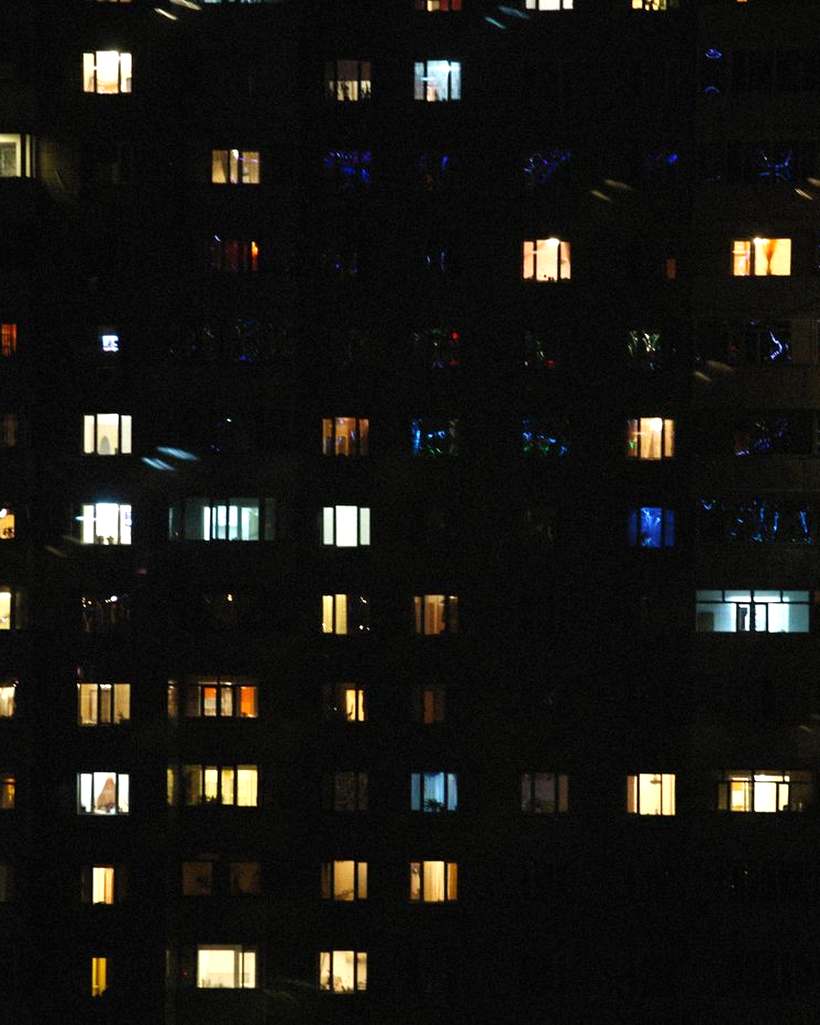
Upper floor
Barricaded person, somewhere above
Which floor, which door, what is on the landing. Known before anyone climbs.
Before your team takes the stairs, Serrin does. It flies up the stairwell in the dark, without GPS, and the team leader watches the live view and a growing floor plan on one tablet.
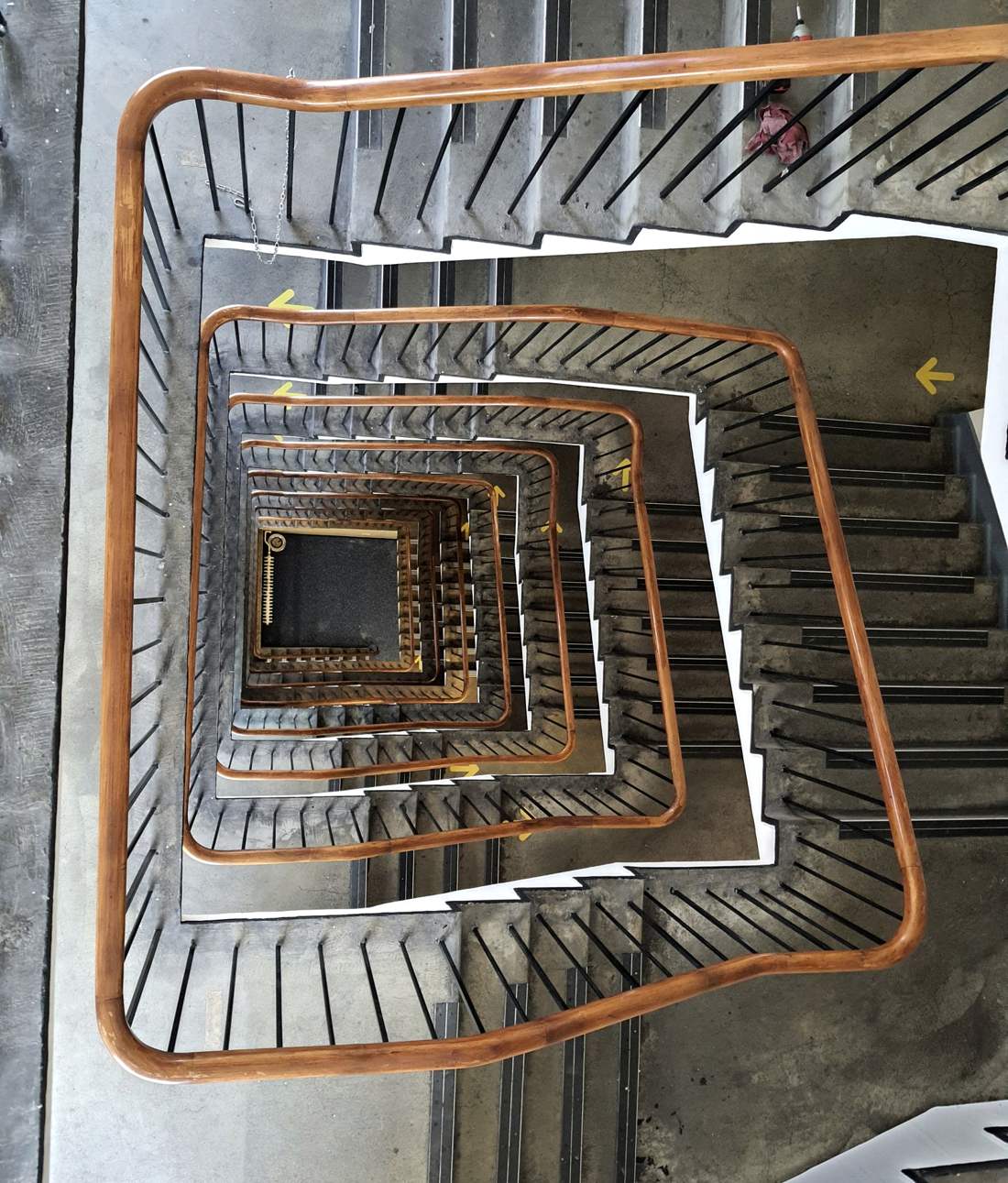
Live video on the left, the floor plan on the right. The plan grows with every room Serrin passes, one floor at a time, so the team knows the layout before the first step.
Serrin holds its position and keeps its distance from walls on its own. The operator chooses where it goes next. It feels like pointing, not flying.
Landing to landing, floor to floor. A throwable robot stops at the first step. Serrin starts there.
It navigates with its own sensors and brings its own light. You don’t need building plans in advance, because Serrin draws them.
Video and floor plan are saved together. For the debrief, for the report, and on your unit’s devices, not in someone else’s cloud.
Every floor above is a floor nobody has seen.
Today’s kit covers one room at ground level. Everything above means sending people first. Serrin is built for exactly that gap.
Three situations tactical units describe to us again and again. In each one, the first look decides how safely the rest goes.
Which floor, which door, what is on the landing. Known before anyone climbs.
Stairwells and corridors cleared floor by floor while the team holds the entrance.
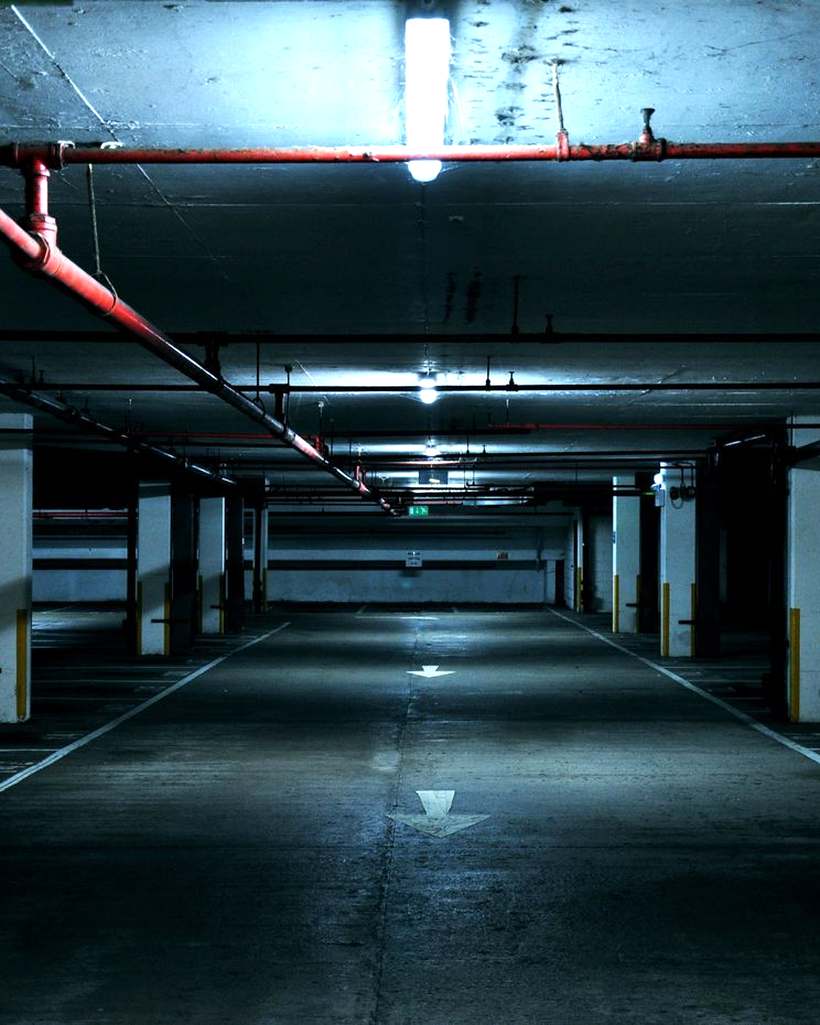
No GPS, no daylight, no signal from outside. Exactly where Serrin was designed to work.
Serrin fits into how your unit already works. The team stays in cover, the operator stays at the door, the aircraft goes first.
Carried in the patrol car. Switched on at the stairwell door.
The operator starts it from the door. Nobody enters yet.
Landing by landing. Each floor appears on the tablet as a plan.
It holds position on a landing while the team leader decides.
Back in the case. Video and plan are one file for the report.
One number decides whether Serrin earns its place in the vehicle: the time from opening the door to a complete floor plan. Your building, your operators, lights off.
In your training facility, several storeys.
Serrin, a throwable robot with pole camera, and the team on foot.
Your operators, randomised order, independent timekeeper.
You get every run, including the ones we lose.
Small enough for doors and stairwells, light enough to ride along in every patrol car.
Core components from allied suppliers only, documented part by part.
Recordings live on your devices. Nothing leaves the building unless you export it.
Spec sheet, test reports and documentation from the first pilot on.
Every version is judged by the people who use it. Not by us.
The second aircraft lives on the roof. Same app, same mission file, same training.

Stationed on rooftops across the city. When a call comes in, it launches to the address and streams the first picture while units are still on their way.
We build it second, once Serrin Indoor has proven itself with pilot units.
No. It navigates with its own sensors and draws the plan while it flies.
That is exactly what the first trials measure. We will publish the measured range instead of a promise.
On your unit’s devices. Nothing leaves the building unless you export it.
Yes. That is what the pilot programme is for: your facility, your scenarios, your operators.
The first pilot units fly with Serrin in 2027. Wider availability follows once the trials are done.
We are looking for two or three tactical units to test Serrin in their own facility and tell us where it fails. We are also hiring flight hardware engineers and people who have served in a tactical unit.
contact@serrinrobotics.com